
תואר שני אירופאי במשפט וכלכלה - EMLE
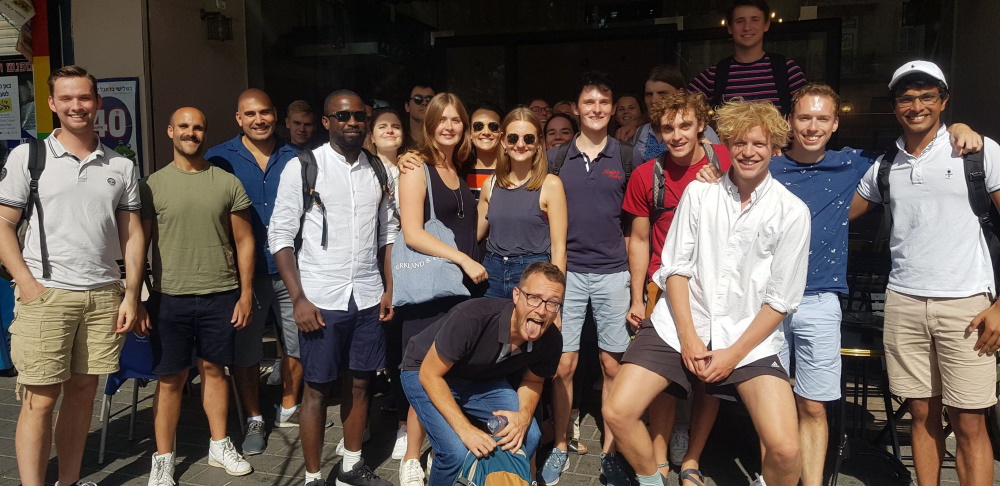
תוכנית ה-EMLE (European Master in Law and Economics) הינה תוכנית ייחודית העוסקת בניתוח כלכלי של המשפט, ומשלבת שתי דיסציפלינות – משפט וכלכלה. התוכנית מנוהלת על ידי קונסורציום של עשר אוניברסיטאות – מתוכן שבע אירופאיות (מגרמניה, הולנד, בלגיה, ספרד, איטליה, צרפת ופולין), ושלוש חוץ אירופאיות (מישראל, הודו וארה"ב), ולומדים בה (באנגלית) סטודנטים מכל רחבי העולם.
הלימודים בתוכנית מתקיימים במשך 3 טרימסטרים המתפרסים על פני שנה קלנדרית. הטרימסטר הראשון כולל מקצועות מבוא במשפט וכלכלה, ובניתוח כלכלי של המשפט, ובטרימסטרים הבאים יש התמחויות ב-3 תחומים שונים: המגזר ציבורי, יזמות וחדשנות ומשפט מסחרי (תאגידים ושווקים). בכל טריסמסטר יכולים הסטודנטים לבחור ללמוד באוניברסיטה מסוימת מתוך האוניברסיטאות החברות בקונסורציום המוצעות לבחירתם, וזאת בהתאם לתחום שבו הם רוצים להתמחות. בטרימסטר האחרון הסטודנטים כותבים תזה.
התוכנית נחשבת למובילה בתחומה בעולם, ונבחרה מבין עשרות תוכניות כתוכנית תואר שני הנתמכת על ידי נציבות האיחוד האירופי, וזאת ברציפות משנת 2004 ועד היום. המצויינות האקדמית של התוכנית משתקפת גם באיכות של בוגריה. עד כה סיימו את התוכנית כ-100 ישראלים, ורובם מחזיקים עמדות בכירות במשפטים, בכלכלה או בתחום העסקי (למשל, במשרד המשפטים, בקרנות הון סיכון, במשרדי עורכי דין מובילים ועוד). כ-12 מבוגרי התוכנית המשיכו ללימודי דוקטורט וחלקם עובדים כיום כחברי סגל אקדמי באוניברסיטאות מובילות (כגון – ארסמוס, היידלברג, חיפה, המכללה למנהל, ועוד).
בצד מצויינותה האקדמית של התוכנית, עלות הלימודים נמוכה משמעותית מעלות תואר שני בארה"ב (בערך רבע מהעלות), וקיימת אפשרות לקבלת מלגות.
הלימודים בתוכנית מתקיימים במשך 3 טרימסטרים המתפרסים על פני שנה קלנדרית. הטרימסטר הראשון כולל מקצועות מבוא במשפט וכלכלה, ובניתוח כלכלי של המשפט, ובטרימסטרים הבאים יש התמחויות בתחומים שונים. בכל טריסמסטר יכולים הסטודנטים לבחור ללמוד באוניברסיטה מסוימת מתוך האוניברסיטאות החברות בקונסורציום המוצעות לבחירתם, וזאת בהתאם לתחום שבו הם רוצים להתמחות. בטרימסטר בראשון ניתן לבחור בין אוניברסיטת המבורג (גרמניה), אוניברסיטת ארסמוס (רוטרדם, הולנד) או אוניברסיטת חיפה. בטרימסטר השני ניתן לבחור בין אוניברסיטת המבורג (גרמניה), אוניברסיטת ארסמוס (רוטרדם, הולנד) או אוניברסיטת גנט (בלגיה). בטרימסטר השלישי ניתן לבחור בין 7 אוניברסיטאות (הממוקמות בערים הבאות – Aix en provence (צרפת), ברצלונה, רומא, וורשה, אריזונה, מומבאי והמבורג). דיפלומה מתקבלת מכל אחת מהאונירסיטאות שבה נלמד התואר, כאשר חלק מהאוניברסיטאות מעניקות דיפלומה משותפת.
את התמונה שהייתה עד עכשיו בחוצץ מבנה התוכנית יש להכניס כאן.
סטודנטים בתוכנית ה-EMLE יכולים לבחור באחד משלושה מסלולי התמחות שונים –
- מסלול משפט מסחרי – ניתוח כלכלי של שווקים, תאגידים ורגולטורים (MCR)
- מסלול משפט ציבורי – ניתוח כלכלי של המשפט הציבורי והבינלאומי (Public)
- מסלול משפט וטכנולוגיה – ניתוח כלכלי של חדשנות וקניין רוחני (IP)
בטרימסטר הראשון הקורסים זהים בכל המסלולים והאוניברסיטאות, ההתמחות מתחילה בטרימסטר השני עם שני קורסים ייעודיים למסלול ושלושה קורסים שיהיו זהים בין המסלולים השונים. הטרימסטר השלישי מסיים את ההתמחות שנבחרה בשני קורסים ייחודיים למסלול, ועבודת גמר הנכתבת בהנחיית פרופסור מאוניברסיטת הטרימסטר השלישי.
לתוכנית מתקבלים סטודנטים עם לפחות 240 ECTS (כ-160 נ”ז) של השכלה גבוהה קודמת. במונחים ישראליים ניתן להשיג 240 ECTS על ידי לימודי תואר ראשון ותואר שני או על ידי תואר ראשון דו חוגי (למשל, משפטים וחוג נוסף).
ניתנת עדיפות לסטודנטים בעלי רקע במשפטים ו/או כלכלה, אולם גם מועמדים בעלי תארים אחרים יכולים להתקבל בתנאי שהם מקיימים את התנאי של 240 ECTS. במקרה של ספק באשר להתאמתך לתנאי הקבלה של התוכנית, יש ליצור קשר (באנגלית)….
התוכנית מאד מבוקשת. מדי שנה מוגשות לתוכנית מאות בקשות קבלה, ומתוכן מתקבלים כ-80 סטודנטים.
המועדים המדויקים משתנים משנה לשנה אנא בדקו באתר התוכנית:
שפת לימוד בתכנית היא אנגלית. לתשומת ליבכם, כל מועמד ששפת האם שלו היא לא אנגלית מחויב במבחן ידע אנגלית: TOEFL או IELTS אקדמי
למידע נוסף: https://emle.org/application-2/#1491915081912-7ef8776b-198c
שכר הלימוד התוכנית נמוך משמעותית משכר הלימוד לתואר שני באוניברסיטאות אמריקניות (בערך רבע מהעלות). לסכומים המדויקים יש להתעדכן באתר התוכנית (Application – EMLE). לכך יש להוסיף עלויות מחיה במדינות השונות.
יש אפשרות לקבלת מלגות למתאימים. ניתן להתעדכן באתר התוכנית (Application – EMLE).
התכנית נמשכת שנת לימודים אחת (1 באוקטובר – 30 בספטמבר). טרימסטר ראשון מתחיל בשבוע הראשון של אוקטובר, ונמשך עד סוף דצמבר. טרימסטר השני מתחיל בינואר עד סוף מרץ. טרימסטר שלישי מתחיל בשבוע הראשון של אפריל והשיעורים האחרונים הם בדרך כלל בחודש יוני. המועד האחרון לתזה הוא באמצע אוגוסט בכל שנה.
תוכניות חילופי סטודנטים
הפקולטה למשפטים והאוניברסיטה חתומים על הסכמים לחילופי סטודנטים עם מספר רב של אוניברסיטאות באירופה וארה”ב, בהן ניתן ללמוד סמסטר עד שנה.
הפקולטה רואה בהתנסות בלימודים בחו”ל חוויה חשובה המהווה תרומה משמעותית ללימודי המשפטים. הלימודים בתרבויות אחרות, בקרב סטודנטים וסטודנטיות מכל העולם מעשירה ביותר. בעולם גלובאלי, ההכרה והיכולת ליצירת קשרים עם משפטנים זרים הינה יתרון אישי ומקצועי חשוב.
תלמידנו שהשתתפו בתכניות אלה שבו מהן עם המלצה חד משמעית: לנצל הזדמנות יוצאת דופן זו.
תוכנית חילופי סטודנטים מיועדת לתלמידי תואר ראשון – שנים ב’, ג’ וד' ולתלמידי תואר שני. משך הלימודים הוא סמסטר אחד עד שנה, בשכר לימוד רגיל. עלויות הטיסה, והכלכלה מוטלות על הסטודנטים, אולם למועמדים מתאימים יינתנו מלגות. לתלמידים הנבחרים לתוכנית ארסמוס פלוס ללימודים באירופה יעניק האיחוד האירופי מלגות קיום של בין 800 יורו ל 900 יורו לחודש לסמסטר בו ילמדו ובנוסף הוצאות טיסה.
לפרטים מדוייקים, רשימת אוניברסיטאות וגובה מלגות הקליקו כאן.
כן. נקודות הזכות שנלמדו בחו”ל נחשבות כנקודות בחירה.
כל סטודנט/ית יעשה בסמסטר מינימום 12 נ"ז ומקסימום 18 נ"ז.
הלימודים בחוץ לארץ לסטודנטים שמגיעים לחילופים מתקיימים בשפה האנגלית.
כן, בחילופי סטודנטים של ארסמוס + התלמידים יקבלו החזר הן על הטיסה והן על המגורים.
מידע נוסף: https://uhaifa.org/erasmus/
- סטודנטים מן המניין (שנה ב’ ומעלה בתקופת החילופים) שהחלו את לימודיהם באוניברסיטת חיפה, בעלי ממוצע ציונים של מינימום 80
- הסטודנטים המתאימים יעברו ראיון אישי באנגלית
- נכונות לייצג את אוניברסיטת חיפה
ההרשמה נעשית דרך בית ספר בינלאומי של אוניברסיטת חיפה https://uhaifa.org/program/student-exchange/
לפרטים נוספים צרו קשר עם אחראית תוכניות בינלאומיות ו-GLP.
תקופת הניידות מעניקה לסטודנטים ניסיון בינלאומי, חשיפה לתכניות ושיטות לימוד חדשות , כלים בינלאומיים ופיתוח קשרים חדשים היכולים לסייע בחיים האקדמיים והמקצועיים.
Global Law Program
Semester 1
Emerging rights of nature: property, sovereignty, and legal personality
The course will start focussing on new legal stipulations concerning the status of nature or of elements of nature from a comparative, international, and legal-theoretical (mainly Hohfeldian) perspective. The discussion will take its roots in the 2017 legal personification of the river Whanganui in New Zealand. Similar attempts (successful or not) have since taken place which all display legal specificities to be accounted for. This "rights of nature" trend raises a lot of fundamental and practical issues that will be analyzed in the course: such as the role of indigenous communities and the nature of biocultural rights, the theoretical coherence of legal ecocentrism, the modalities through which a natural fixture can exert standing. It is clear that granting elements of nature which have, by definition, a territorial reality raises issues with classical notions of property and sovereignty. We will discuss notions such as permanent sovereignty over natural resources and shared sovereignty over migratory resources to illustrate the complex relationship between sovereignty principles and conceptual frameworks open to alternative forms of nature's legal autonomy. Many implications follow in the domains of ocean-law and space-law for example, leading to the discussion of transnational commons or public trust doctrines. Finally, the course will probe our "natural" legal conceptions, i.e. our spontaneous ways of conceiving some coherent legal statuses and expressing legally coherent reasoning with respect to natural phenomena in the context of climate change (one main example will be taken from the international status of icebergs).

Prof. Sacha Bourgeois-Gironde
University of Haifa
- 04/11/2616:00-19:30
- 11/11/2616:00-19:30
- 18/11/2616:00-19:30
- 25/11/2616:00-19:30
- 02/12/2616:00-19:30
- 09/12/2616:00-19:30
Insurance Law and Regulation - a UK and international perspective
Insurance is a risk transfer mechanism that underpins everyday life, trade and innovation. English insurance law has served as a model for many jurisdictions and continues to be one of the preferred choices of governing law in international insurance transactions. In this course, you will be introduced to the key principles of English insurance contract law, such as the duty of fair presentation, insurable interest, terms and interpretation, causation, the indemnity principle and subrogation. Given the importance of insurance individuals, business and the wider economy, we will explore why and how insurers and insurance activities are state-regulated. Throughout the course, we will consider current issues in insurance such as cyber/AI risks, the role of insurance in the climate crisis and protection gaps.

Dr. Franziska Arnold-Dwyer
UCL
- 13/12/2616:00-19:30
- 14/12/2616:00-19:30
- 16/12/2616:00-19:30
- 17/12/2616:00-19:30
- 20/12/2616:00-19:30
- 21/12/2616:00-19:30
Courts and Global Challenges: From Everyday Justice to Show Trials
Dr. Sharon Weill
- 08/12/2616:00-19:30
- 10/12/2616:00-19:30
- 13/12/2612:00-15:30
- 15/12/2616:00-19:30
- 17/12/2612:00-15:30
- 21/12/2616:00-19:30
EU Law, History & Policy
Since its inception over seventy years ago, the European Union (EU) has emerged as one of the leading trading blocs in the world. Originally created around an economic agenda, the Union has since morphed from an intergovernmental organisation into something quite different and distinct.
This course examines this transformation and the forces behind it, exploring the institutions of the Union and the functioning of the European judicial system. Also, it investigates several of the foundational policies that the heart of the EU, and considers their role in the EU’s transformation.
This course finishes with an exploration of the four freedoms and drills down into the free movement of goods and its operation within the global trade system.
This course examines this transformation and the forces behind it, exploring the institutions of the Union and the functioning of the European judicial system. Also, it investigates several of the foundational policies that the heart of the EU, and considers their role in the EU’s transformation.
This course finishes with an exploration of the four freedoms and drills down into the free movement of goods and its operation within the global trade system.
Dr. Michala Meiselles
Law School, Derby University
- 20/12/2612:00-15:30
- 22/12/2612:00-15:30
- 24/12/2612:00-15:30
- 27/12/2612:00-15:30
- 29/12/2612:00-15:30
- 30/12/2612:00-15:30
Introduction to European Patent Law
The course will provide an overview of the European patent system and will focus on exciting aspects that have promoted, troubled or facilitated the system as a whole during the past decades. During the course we will discuss the patentability of biotech inventions, AI and pharmaceutical products while we will also debate the role exclusive rights as those granted by the patent system, may play in a global context. Finally we will have the opportunity to learn more about the recent changes brought by the Unitary Patent System and the Unitary Patent Court.
Prof. Frantzeska Papadopoulou Skarp
Stockholm University
- 03/12/2616:00-19:30
- 07/12/2616:00-19:30
- 08/12/2612:00-15:30
- 10/12/2612:00-15:30
- 11/12/2609:00-12:30
- 14/12/2612:00-15:30
Free speech in liberal democracy
We will study (a) the diversity of "free speech" claims; (b) the decline of free speech as a value; (c) the prospects of reimagining free speech for the 21st century.
Our understanding of free speech is not a constant. It does not change in every generation, but it does change. If we endeavour to distinguish between the present and the near-past many things will occur to us, but in the course we will examine our experience of free speech as a value to be championed. How was it championed then, and how now?
"Then" it was championed by efforts to enlarge speech boundaries – what could be said, who could speak, and in what places and to what audiences. And this championing of enlargement was, over time, but with what felt like a gathering momentum, successful. What could once only be whispered, could now be spoken with confidence and in full voice. The hitherto silent were finding their voice, and were being heard. Topics that had been suppressed, forms of expression that had been proscribed, etc. – were released into the public realm. It was an affair, most generally, of the overrunning of limitations, with a view to redefining them, setting the parameters wider. These were liberating, invigorating, exciting times.
And "now"? Not so invigorating, not so exciting. Instead, we experience a giddy disorientation. The overrunning of boundaries has destroyed the very notion of boundary. And there is a new censoriousness, which threatens the achievements of the recent past but is commonly defended in the name of free speech. We might say: We have passed from limitations on free speech, which were overcome, to threats to free speech, which we struggle to overcome without destroying what we seek to defend. It is not surprising that we find ourselves in a state of confusion and demoralisation. Is there a way out?
Our understanding of free speech is not a constant. It does not change in every generation, but it does change. If we endeavour to distinguish between the present and the near-past many things will occur to us, but in the course we will examine our experience of free speech as a value to be championed. How was it championed then, and how now?
"Then" it was championed by efforts to enlarge speech boundaries – what could be said, who could speak, and in what places and to what audiences. And this championing of enlargement was, over time, but with what felt like a gathering momentum, successful. What could once only be whispered, could now be spoken with confidence and in full voice. The hitherto silent were finding their voice, and were being heard. Topics that had been suppressed, forms of expression that had been proscribed, etc. – were released into the public realm. It was an affair, most generally, of the overrunning of limitations, with a view to redefining them, setting the parameters wider. These were liberating, invigorating, exciting times.
And "now"? Not so invigorating, not so exciting. Instead, we experience a giddy disorientation. The overrunning of boundaries has destroyed the very notion of boundary. And there is a new censoriousness, which threatens the achievements of the recent past but is commonly defended in the name of free speech. We might say: We have passed from limitations on free speech, which were overcome, to threats to free speech, which we struggle to overcome without destroying what we seek to defend. It is not surprising that we find ourselves in a state of confusion and demoralisation. Is there a way out?
Prof. Anthony Julius
- 15/03/2716:00-19:30
- 16/03/2716:00-19:30
- 18/03/2716:00-19:30
- 21/03/2716:00-19:30
- 24/03/2716:00-19:30
- 25/03/2716:00-19:30
Semester 2
Comparative Constitutional Law
The course will cover problems of comparative constitutional studies. The focus will be on theories and methods, critical constitutional histories (indigenous law, the
Haitian turn), the transfer of constitutional “items”. Students are expected not only to participate in class discussions but also to prepare a short oral presentation based on the course materials that will be made available.
Prof. Günter Frankenberg
Goethe-Universität, Frankfurt am Main
- 12/03/2616:00-19:30
- 16/03/2616:00-19:30
- 18/03/2616:00-19:30
- 19/03/2616:00-19:30
- 22/03/2616:00-19:30
- 24/03/2616:00-19:30
International refugee law
International Refugee Law explores a major area of public international law that regulates a (limited) exception to the principles of state sovereignty and migration control. The 1951 Convention Relating to the Status of Refugees (the 1951 Geneva Convention) concerns the protection of persons who have crossed an international border and who are outside their state of origin owing to well-founded fear of persecution in that state for reasons of race, religion, nationality, membership of a particular social group, or political opinion. Global debates continue regarding the nature of the protection that refugees should be granted, the role of the international community, and the obligations of states of asylum.
The course will provide students with a critical understanding of the international regime of refugee protection by highlighting its virtues and shortcomings. It explores the history, structure, and aims of the 1951 Geneva Convention (engaging comparatively with regional protection regimes). The course considers criteria for the attainment (‘inclusion’) and exclusion from refugee status, including the specialised regime for Palestine refugees; the non-refoulement principle and externalisation practices; temporary protection (with a Ukraine case-study) and other responses to displacement from conflict.
Dr. Ruvi Ziegler
University of Reading
- 04/04/2712:00-15:30
- 06/04/2709:00-12:30
- 08/04/2716:00-19:30
- 11/04/2716:00-19:30
- 13/04/2709:00-12:30
- 15/04/2716:00-19:30
Game-theoretical approaches to legal issues
The course introduces game-theoretical approaches to legal analysis. No previous knowledge in game-theory is needed. Yet, in the end, the students will have been acquainted with some core concepts of cooperative and non-cooperative game-theory through their application to a variety of legal issues in several domains of law. The course will follow this order.
#1 Criminal deterrence (credible threats in extensive form games)
#2 The dynamics of marriage and divorce (Gale-Shapley matching algorithm / Nash bargaining model)
#3 Corruption and the limits of asymmetric criminalization (extensive form games, subgame perfect equilibrium)
#4 Governmental accountability and the optimal level of public transparency (principal-agent models)
#5 Separation of powers and the constitutional non-delegation principle (power indices)
#6 Linguistic rights in multilingual societies (conversation games).
Prof. Sacha Bourgeois-Gironde
University of Haifa
- 02/05/2716:00-19:30
- 05/05/2716:00-19:30
- 09/05/2716:00-19:30
- 16/05/2716:00-19:30
- 19/05/2716:00-19:30
- 23/05/2716:00-19:30
צוות מקצועי, הרגשה ביתית ומענה לכל בעיה.
הסטודנטים הישראלים מסבירי פנים ומסייעים. כמו שאמר ארנולד שוורצנגר:
"I'll be back"
"I'll be back"

אין כמו ללמוד משפטים באוניברסיטת פלורידה, 10 דקות נסיעה מהים עם מזג אוויר מצויין.
הלימודים דרשו ממני המון. רוב המרצים שלי היו הוגנים ומתחשבים בהיותי סטודנטית זרה.

חוויה יוצאת דופן, הן ברמה האישית – טיולים רבים ופעילויות חברתיות, והן מהפן המקצועי – לימוד תחומי משפט זרים.
הדרכה צמודה מהצוות האדמיניסטרטיבי.

זכיתי לקחת חלק בתוכנית לימודים בינלאומית ייחודית בשטוקהולם.
השתתפתי בקורסים מרתקים ופגשתי חברים.ות חדשים.ות מכל העולם. ממליצה בחום.

לפרטים נוספים ניתן ליצור קשר עם אחראית תוכניות בינלאומיות ו-GLP.
ההגשה לתכנית חילופי סטודנטים נעשית דרך בית ספר בינלאומי של אוניברסיטת חיפה.
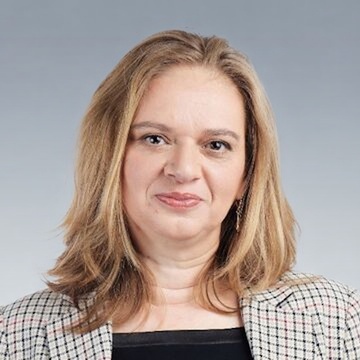
גב' יוליה לישצינסקי
אחראית תוכניות בינלאומיות ו-GLP